De Quervain's tenosynovitis causes sharp pain on the thumb side of the wrist, often when you grip, pinch, lift a cup or scroll on a phone. It is common in new parents, but desk workers get it too, usually from thumb-heavy habits that nobody ever thinks to assess.
This article is general educational information written by the KOS clinical team. It is not a diagnosis or a substitute for advice from your GP, consultant or physiotherapist. If your symptoms are severe, worsening, or include any of the warning signs listed below, seek medical care first.
What is De Quervain's tenosynovitis?
Two tendons that move the thumb, abductor pollicis longus and extensor pollicis brevis, run together through a narrow tunnel on the thumb side of the wrist, called the first dorsal compartment. When the tendons and the sheath that surrounds them become irritated and thickened, they no longer glide smoothly through the tunnel. Movement of the thumb, particularly combined with bending the wrist towards the little finger, becomes painful.
| At a glance | |
|---|---|
| Typical symptoms | Pain and tenderness over the thumb side of the wrist; pain gripping, pinching or turning a key; swelling over the area; sometimes a catching sensation when moving the thumb |
| A common clinical check | Finkelstein's test: tucking the thumb into the palm and bending the wrist towards the little finger reproduces the pain |
| Who gets it | More common in women and between 30 and 50; very common after childbirth when lifting a baby; also linked to repetitive thumb and wrist tasks |
| Usual management | Rest from aggravating tasks, a thumb spica splint, physiotherapy, steroid injection, and occasionally a minor surgical release |
Warning signs that need medical attention first
See your GP promptly if you notice:
- Pain after a fall on an outstretched hand, which can indicate a fracture, particularly of the scaphoid bone
- Numbness or tingling in the thumb or fingers
- A hot, red, swollen wrist, or pain with fever
- Symptoms that are not easing after a few weeks of reduced use
The thumb habits behind desk-based De Quervain's
At a desk, the thumb does far more work than most people realise. It clicks, scrolls, holds, drags and hits the space bar thousands of times a day. Many "ergonomic" devices actually shift work onto the thumb, which helps the wrist but not this condition.
| Habit or device | What the thumb is doing | A better option to explore |
|---|---|---|
| Thumb-operated trackball | Constant fine thumb movement and pressure | A pointing device operated by several fingers, or a vertical mouse with the thumb resting |
| Laptop trackpad with thumb clicking | Repeated thumb press and drag | External pointing device |
| Heavy use of mouse thumb buttons | Repeated thumb flexion and extension | Reassign functions to keyboard shortcuts or a central device |
| Hitting the space bar hard with one thumb | Repetitive forceful thumb tapping | Lighter-action keyboard; alternate thumbs |
| Phone scrolling and texting between tasks | Sustained thumb reach with the wrist bent | Put the phone down; use voice or desktop apps |
| Gripping a pen or stylus tightly | Sustained pinch | Wider grip pen; relaxed hold |
Setting up your workstation for De Quervain's
- Take load off the thumb. Choose input devices that are controlled by the fingers or the whole hand, not the thumb alone.
- Keep the wrist straight side to side. Avoid the wrist tilting towards the little finger when you type or mouse. A split keyboard can help.
- Keep devices close. Reaching increases grip and awkward wrist angles.
- Use keyboard shortcuts. Copy, paste, undo and tab switching from the keyboard remove hundreds of thumb clicks a day.
- Reduce phone use at your desk. Use desktop versions of messaging apps where you can.
- Follow splinting advice. If a thumb splint has been recommended, ask how to use it at work without creating strain elsewhere.
Equipment our physiotherapists often consider for De Quervain's
Products to discuss at your consultation
Controlled by rolling and pressing a bar with several fingers, so the thumb is no longer the primary mover. Either hand can operate it.
A slimmer MouseTrapper with a control pad and programmable keys, useful for reassigning common thumb-button actions to less painful movements.
The thumb rests on a sculpted ledge rather than gripping, and the buttons are pressed by the fingers. Worth trialling, as some people find even a resting thumb position uncomfortable early on.
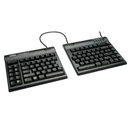
Separating the halves stops the wrists angling outward towards the little finger, the movement that stresses the first dorsal compartment.
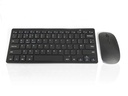
A thin split keyboard that also nudges you to pause, useful for breaking up long typing sessions while the tendons settle.
Browse all RSI and wrist pain products and the MouseTrapper range.
Why the right product for De Quervain's tenosynovitis is found in a consultation, not a basket
Every product above can help the right person, and none of them helps everyone. De Quervain's tenosynovitis rarely presents the same way twice: the side, the aggravating posture, your body size, the desk you actually work at and what your physio or consultant has told you all change the answer. The detail that matters most here is exactly which movement your thumb is making hundreds of times a day, and we can only see that by watching you work. That is why the most reliable way to choose is to sit down with one of our physiotherapists or clinical ergonomists, recreate how you work, and test options side by side before you spend anything.
Helping it settle
- Reduce the aggravating load early. The sooner thumb-heavy tasks are reduced, the better the outcome tends to be.
- Splint as advised. A thumb spica splint rests the tendons, often worn at night and during aggravating tasks.
- Gradual return. A physiotherapist can guide you back to full use with graded exercises once the pain settles.
- New parents: lifting a baby with the hands under the arms and thumbs spread is a classic trigger. Scooping from underneath with the palms up often helps.
For employers and H&S managers
If an employee reports thumb or wrist pain, Regulation 72 treats that as a reason to review their workstation. A generic DSE checklist is rarely enough once symptoms are present. A detailed ergonomic assessment with one of our physiotherapists or clinical ergonomists gives you specific, defensible recommendations, and for complex or long-standing cases a workplace needs assessment looks at the whole role. Equipment is then matched to the person, not bought on guesswork.
Related reading
- Trigger finger: the complete guide
- RSI prevention: five tips for computer and mouse users
- Pregnancy back pain: a comprehensive guide
Give your thumb a break
Book a free showroom consultation in Dublin or Tipperary, or an online consultation, and try pointing devices that take the work away from your thumb.
Frequently asked questions
What is the best mouse for De Quervain's tenosynovitis?
Devices that move work away from the thumb tend to help most, such as a central pointing device operated with several fingers like the MouseTrapper Advance 2.0. Thumb-operated trackballs usually aggravate it. Trying options in a consultation is the best way to find what suits you.
Can computer use cause De Quervain's?
Repeated thumb movements, gripping and wrist deviation are recognised risk factors. At a desk these come from thumb clicking, trackpads, trackballs, space bar use and phone scrolling, all of which can be reduced.
Is De Quervain's the same as carpal tunnel syndrome?
No. De Quervain's affects tendons on the thumb side of the wrist and causes pain with thumb movement. Carpal tunnel syndrome affects a nerve on the palm side and mainly causes tingling and numbness in the thumb and fingers.
How long does De Quervain's take to heal?
With early rest from aggravating tasks and splinting, many cases improve over several weeks. Persistent cases may be treated with a steroid injection, and occasionally surgery.
Should I wear a splint at work?
If your GP or physiotherapist has recommended a thumb splint, ask how to use it during desk work. Combining it with devices that don't rely on the thumb usually makes it easier to wear.
De Quervain's tenosynovitis causes sharp pain on the thumb side of the wrist, often when you grip, pinch, lift a cup or scroll on a phone. It is common in new parents, but desk workers get it too, usually from thumb-heavy habits that nobody ever thinks to assess.
This article is general educational information written by the KOS clinical team. It is not a diagnosis or a substitute for advice from your GP, consultant or physiotherapist. If your symptoms are severe, worsening, or include any of the warning signs listed below, seek medical care first.
What is De Quervain's tenosynovitis?
Two tendons that move the thumb, abductor pollicis longus and extensor pollicis brevis, run together through a narrow tunnel on the thumb side of the wrist, called the first dorsal compartment. When the tendons and the sheath that surrounds them become irritated and thickened, they no longer glide smoothly through the tunnel. Movement of the thumb, particularly combined with bending the wrist towards the little finger, becomes painful.
| At a glance | |
|---|---|
| Typical symptoms | Pain and tenderness over the thumb side of the wrist; pain gripping, pinching or turning a key; swelling over the area; sometimes a catching sensation when moving the thumb |
| A common clinical check | Finkelstein's test: tucking the thumb into the palm and bending the wrist towards the little finger reproduces the pain |
| Who gets it | More common in women and between 30 and 50; very common after childbirth when lifting a baby; also linked to repetitive thumb and wrist tasks |
| Usual management | Rest from aggravating tasks, a thumb spica splint, physiotherapy, steroid injection, and occasionally a minor surgical release |
Warning signs that need medical attention first
See your GP promptly if you notice:
- Pain after a fall on an outstretched hand, which can indicate a fracture, particularly of the scaphoid bone
- Numbness or tingling in the thumb or fingers
- A hot, red, swollen wrist, or pain with fever
- Symptoms that are not easing after a few weeks of reduced use
The thumb habits behind desk-based De Quervain's
At a desk, the thumb does far more work than most people realise. It clicks, scrolls, holds, drags and hits the space bar thousands of times a day. Many "ergonomic" devices actually shift work onto the thumb, which helps the wrist but not this condition.
| Habit or device | What the thumb is doing | A better option to explore |
|---|---|---|
| Thumb-operated trackball | Constant fine thumb movement and pressure | A pointing device operated by several fingers, or a vertical mouse with the thumb resting |
| Laptop trackpad with thumb clicking | Repeated thumb press and drag | External pointing device |
| Heavy use of mouse thumb buttons | Repeated thumb flexion and extension | Reassign functions to keyboard shortcuts or a central device |
| Hitting the space bar hard with one thumb | Repetitive forceful thumb tapping | Lighter-action keyboard; alternate thumbs |
| Phone scrolling and texting between tasks | Sustained thumb reach with the wrist bent | Put the phone down; use voice or desktop apps |
| Gripping a pen or stylus tightly | Sustained pinch | Wider grip pen; relaxed hold |
Setting up your workstation for De Quervain's
- Take load off the thumb. Choose input devices that are controlled by the fingers or the whole hand, not the thumb alone.
- Keep the wrist straight side to side. Avoid the wrist tilting towards the little finger when you type or mouse. A split keyboard can help.
- Keep devices close. Reaching increases grip and awkward wrist angles.
- Use keyboard shortcuts. Copy, paste, undo and tab switching from the keyboard remove hundreds of thumb clicks a day.
- Reduce phone use at your desk. Use desktop versions of messaging apps where you can.
- Follow splinting advice. If a thumb splint has been recommended, ask how to use it at work without creating strain elsewhere.
Equipment our physiotherapists often consider for De Quervain's
Products to discuss at your consultation
Controlled by rolling and pressing a bar with several fingers, so the thumb is no longer the primary mover. Either hand can operate it.
A slimmer MouseTrapper with a control pad and programmable keys, useful for reassigning common thumb-button actions to less painful movements.
The thumb rests on a sculpted ledge rather than gripping, and the buttons are pressed by the fingers. Worth trialling, as some people find even a resting thumb position uncomfortable early on.
Separating the halves stops the wrists angling outward towards the little finger, the movement that stresses the first dorsal compartment.
A thin split keyboard that also nudges you to pause, useful for breaking up long typing sessions while the tendons settle.
Browse all RSI and wrist pain products and the MouseTrapper range.
Why the right product for De Quervain's tenosynovitis is found in a consultation, not a basket
Every product above can help the right person, and none of them helps everyone. De Quervain's tenosynovitis rarely presents the same way twice: the side, the aggravating posture, your body size, the desk you actually work at and what your physio or consultant has told you all change the answer. The detail that matters most here is exactly which movement your thumb is making hundreds of times a day, and we can only see that by watching you work. That is why the most reliable way to choose is to sit down with one of our physiotherapists or clinical ergonomists, recreate how you work, and test options side by side before you spend anything.
Helping it settle
- Reduce the aggravating load early. The sooner thumb-heavy tasks are reduced, the better the outcome tends to be.
- Splint as advised. A thumb spica splint rests the tendons, often worn at night and during aggravating tasks.
- Gradual return. A physiotherapist can guide you back to full use with graded exercises once the pain settles.
- New parents: lifting a baby with the hands under the arms and thumbs spread is a classic trigger. Scooping from underneath with the palms up often helps.
For employers and H&S managers
If an employee reports thumb or wrist pain, Regulation 72 treats that as a reason to review their workstation. A generic DSE checklist is rarely enough once symptoms are present. A detailed ergonomic assessment with one of our physiotherapists or clinical ergonomists gives you specific, defensible recommendations, and for complex or long-standing cases a workplace needs assessment looks at the whole role. Equipment is then matched to the person, not bought on guesswork.
Related reading
- Trigger finger: the complete guide
- RSI prevention: five tips for computer and mouse users
- Pregnancy back pain: a comprehensive guide
Give your thumb a break
Book a free showroom consultation in Dublin or Tipperary, or an online consultation, and try pointing devices that take the work away from your thumb.
Frequently asked questions
What is the best mouse for De Quervain's tenosynovitis?
Devices that move work away from the thumb tend to help most, such as a central pointing device operated with several fingers like the MouseTrapper Advance 2.0. Thumb-operated trackballs usually aggravate it. Trying options in a consultation is the best way to find what suits you.
Can computer use cause De Quervain's?
Repeated thumb movements, gripping and wrist deviation are recognised risk factors. At a desk these come from thumb clicking, trackpads, trackballs, space bar use and phone scrolling, all of which can be reduced.
Is De Quervain's the same as carpal tunnel syndrome?
No. De Quervain's affects tendons on the thumb side of the wrist and causes pain with thumb movement. Carpal tunnel syndrome affects a nerve on the palm side and mainly causes tingling and numbness in the thumb and fingers.
How long does De Quervain's take to heal?
With early rest from aggravating tasks and splinting, many cases improve over several weeks. Persistent cases may be treated with a steroid injection, and occasionally surgery.
Should I wear a splint at work?
If your GP or physiotherapist has recommended a thumb splint, ask how to use it during desk work. Combining it with devices that don't rely on the thumb usually makes it easier to wear.

 and then Add to Home Screen.