You don't need to play tennis to get tennis elbow. Most of the people we see with it in our showrooms have never picked up a racket. They have spent years gripping a mouse with the wrist bent back, and the tendon on the outside of the elbow has finally complained.
This article is general educational information written by the KOS clinical team. It is not a diagnosis or a substitute for advice from your GP, consultant or physiotherapist. If your symptoms are severe, worsening, or include any of the warning signs listed below, seek medical care first.
What is tennis elbow?
Tennis elbow, or lateral epicondylalgia, is pain and tenderness on the bony point on the outside of the elbow. It affects the common extensor tendon, where the muscles that lift the wrist and fingers attach. The muscle most often involved is extensor carpi radialis brevis, which works hard every time you hold your wrist extended or grip.
It is a tendon overload condition. The tendon is being asked to tolerate more sustained or repeated load than it can currently handle. It is most common between the ages of about 35 and 55, and while it usually settles, recovery can take many months, particularly if the aggravating load continues.
| At a glance | |
|---|---|
| Typical symptoms | Pain on the outside of the elbow, sometimes spreading into the forearm; pain gripping, lifting a kettle or shaking hands; weak grip; stiffness in the morning |
| Common aggravators | Sustained gripping, repeated wrist extension, lifting with the palm down, and a mouse used with the wrist bent upward |
| Not the same as | Golfer's elbow, which affects the inner elbow and the tendons that bend the wrist |
| Usual management | Load modification, a progressive strengthening programme from a physiotherapist, sometimes a forearm strap; injections and surgery are reserved for persistent cases |
Warning signs that need medical attention first
See your GP promptly if you notice:
- Elbow pain after a fall or injury, or a visibly swollen, hot or red joint
- Numbness or tingling into the hand, which suggests nerve involvement
- Pain with fever
- Pain that has not improved after several weeks of modifying your activity
Why the mouse is so often the problem
A conventional flat mouse asks the forearm to rotate fully palm-down, and most people then lift the wrist slightly and grip the sides to control it. That combination holds the wrist extensors in a sustained, low-level contraction for hours, exactly the load pattern the lateral elbow tendon tolerates worst.
| What we often see | Effect on the lateral elbow | What helps |
|---|---|---|
| Flat mouse, palm fully down | Maximum forearm rotation, extensors working constantly | Vertical mouse or central pointing device |
| Tight grip on the mouse | Sustained tendon load even when not moving | Larger, better-fitting mouse; relaxed grip; slower cursor speed adjustment |
| Mouse far out to the side or forward | Arm reaches away from the body; forearm unsupported | Mouse beside or in front of the keyboard; forearm support |
| Wrist propped on a hard edge | Wrist held extended to hover over the device | Soft forearm support and correct chair height |
| Laptop trackpad for hours | Wrist extension plus fine finger control | External mouse or pointing device with a laptop stand |
Setting up your workstation for tennis elbow
- Reduce forearm rotation. Switch to a device that lets the hand sit in a handshake position or rest flat without gripping.
- Bring everything close. Mouse and keyboard within easy reach, elbows by your sides at roughly 90 degrees.
- Support the forearm. Armrests set at desk height or a forearm support let the arm rest instead of hover.
- Loosen the grip. Increase pointer speed slightly so small hand movements move the cursor further, and consciously relax the hand.
- Share the load. Keyboard shortcuts and a central device that either hand can use take load off the affected side.
- Think beyond the desk. Lift bags, pans and kettles with the palm up where possible while the tendon settles.
Equipment our physiotherapists often consider for tennis elbow
Products to discuss at your consultation
Positions the hand so the forearm doesn't have to rotate fully, reducing the constant work of the wrist extensors. The sculpted shape supports the hand so you can grip less.
A control bar in front of the keyboard that you move with relaxed fingers rather than gripping. Either hand can operate it, letting you rest the painful side.
A roller bar controlled by the thumb and fingers with integrated wrist support, for people who find vertical mice don't fully settle their symptoms.
Clamps to the desk edge to support the whole forearm while you use the mouse and keyboard, taking load off the shoulder and elbow.
A vertical mouse available in small, regular and large sizes, so the grip matches your hand and you aren't squeezing to control it.
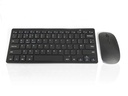
A narrow keyboard without a number pad, so your mouse can sit closer to your body and the arm doesn't reach outwards.
Explore our vertical mice, the full MouseTrapper range and all RSI products.
Why the right product for tennis elbow is found in a consultation, not a basket
Every product above can help the right person, and none of them helps everyone. Tennis elbow rarely presents the same way twice: the side, the aggravating posture, your body size, the desk you actually work at and what your physio or consultant has told you all change the answer. Vertical mice come in different heights and angles, and the wrong size simply moves the strain somewhere else. Some people do best with a central pointing device instead. That is why the most reliable way to choose is to sit down with one of our physiotherapists or clinical ergonomists, recreate how you work, and test options side by side before you spend anything.
Helping the tendon recover
- Modify, don't stop. Tendons respond to the right amount of load. Complete rest tends to weaken them; reducing the aggravating load while doing prescribed strengthening works better.
- Follow a progressive programme. Isometric and then progressive strengthening exercises from a physiotherapist are the mainstay of treatment.
- Be patient. Improvement is often gradual over months. Setup changes help make that progress stick.
For employers and H&S managers
If an employee reports elbow or forearm pain, Regulation 72 treats that as a reason to review their workstation. A generic DSE checklist is rarely enough once symptoms are present. A detailed ergonomic assessment with one of our physiotherapists or clinical ergonomists gives you specific, defensible recommendations, and for complex or long-standing cases a workplace needs assessment looks at the whole role. Equipment is then matched to the person, not bought on guesswork.
Related reading
Find a mouse your elbow agrees with
Book a free showroom consultation in Dublin or Tipperary, or an online consultation, and compare vertical mice and central pointing devices with one of our physiotherapists.
Frequently asked questions
What is the best mouse for tennis elbow?
Many people do well with a vertical mouse, which reduces forearm rotation, or a central pointing device such as the MouseTrapper Advance 2.0, which removes gripping. The right size and type depend on your hand and symptoms, so trying options is worthwhile.
Can using a computer mouse cause tennis elbow?
Prolonged mouse use with the forearm fully rotated and the wrist extended places sustained load on the tendon affected in tennis elbow, and is a common aggravating factor in office workers.
How long does tennis elbow take to heal?
It varies widely. Many cases improve over several months, and some take longer. Reducing aggravating load at work and following a strengthening programme usually speeds recovery.
Should I wear a tennis elbow strap at work?
A forearm counterforce strap helps some people during aggravating tasks. It is a support, not a fix, and works best alongside setup changes and exercises from a physiotherapist.
What is the difference between tennis elbow and golfer's elbow?
Tennis elbow affects the outer elbow and the tendons that extend the wrist. Golfer's elbow affects the inner elbow and the tendons that flex the wrist. Both can be aggravated by gripping.
Can I try ergonomic mice before buying?
Yes. You can test our full range of mice and pointing devices at our showrooms or in an online consultation.
You don't need to play tennis to get tennis elbow. Most of the people we see with it in our showrooms have never picked up a racket. They have spent years gripping a mouse with the wrist bent back, and the tendon on the outside of the elbow has finally complained.
This article is general educational information written by the KOS clinical team. It is not a diagnosis or a substitute for advice from your GP, consultant or physiotherapist. If your symptoms are severe, worsening, or include any of the warning signs listed below, seek medical care first.
What is tennis elbow?
Tennis elbow, or lateral epicondylalgia, is pain and tenderness on the bony point on the outside of the elbow. It affects the common extensor tendon, where the muscles that lift the wrist and fingers attach. The muscle most often involved is extensor carpi radialis brevis, which works hard every time you hold your wrist extended or grip.
It is a tendon overload condition. The tendon is being asked to tolerate more sustained or repeated load than it can currently handle. It is most common between the ages of about 35 and 55, and while it usually settles, recovery can take many months, particularly if the aggravating load continues.
| At a glance | |
|---|---|
| Typical symptoms | Pain on the outside of the elbow, sometimes spreading into the forearm; pain gripping, lifting a kettle or shaking hands; weak grip; stiffness in the morning |
| Common aggravators | Sustained gripping, repeated wrist extension, lifting with the palm down, and a mouse used with the wrist bent upward |
| Not the same as | Golfer's elbow, which affects the inner elbow and the tendons that bend the wrist |
| Usual management | Load modification, a progressive strengthening programme from a physiotherapist, sometimes a forearm strap; injections and surgery are reserved for persistent cases |
Warning signs that need medical attention first
See your GP promptly if you notice:
- Elbow pain after a fall or injury, or a visibly swollen, hot or red joint
- Numbness or tingling into the hand, which suggests nerve involvement
- Pain with fever
- Pain that has not improved after several weeks of modifying your activity
Why the mouse is so often the problem
A conventional flat mouse asks the forearm to rotate fully palm-down, and most people then lift the wrist slightly and grip the sides to control it. That combination holds the wrist extensors in a sustained, low-level contraction for hours, exactly the load pattern the lateral elbow tendon tolerates worst.
| What we often see | Effect on the lateral elbow | What helps |
|---|---|---|
| Flat mouse, palm fully down | Maximum forearm rotation, extensors working constantly | Vertical mouse or central pointing device |
| Tight grip on the mouse | Sustained tendon load even when not moving | Larger, better-fitting mouse; relaxed grip; slower cursor speed adjustment |
| Mouse far out to the side or forward | Arm reaches away from the body; forearm unsupported | Mouse beside or in front of the keyboard; forearm support |
| Wrist propped on a hard edge | Wrist held extended to hover over the device | Soft forearm support and correct chair height |
| Laptop trackpad for hours | Wrist extension plus fine finger control | External mouse or pointing device with a laptop stand |
Setting up your workstation for tennis elbow
- Reduce forearm rotation. Switch to a device that lets the hand sit in a handshake position or rest flat without gripping.
- Bring everything close. Mouse and keyboard within easy reach, elbows by your sides at roughly 90 degrees.
- Support the forearm. Armrests set at desk height or a forearm support let the arm rest instead of hover.
- Loosen the grip. Increase pointer speed slightly so small hand movements move the cursor further, and consciously relax the hand.
- Share the load. Keyboard shortcuts and a central device that either hand can use take load off the affected side.
- Think beyond the desk. Lift bags, pans and kettles with the palm up where possible while the tendon settles.
Equipment our physiotherapists often consider for tennis elbow
Products to discuss at your consultation
Positions the hand so the forearm doesn't have to rotate fully, reducing the constant work of the wrist extensors. The sculpted shape supports the hand so you can grip less.
A control bar in front of the keyboard that you move with relaxed fingers rather than gripping. Either hand can operate it, letting you rest the painful side.
A roller bar controlled by the thumb and fingers with integrated wrist support, for people who find vertical mice don't fully settle their symptoms.
Clamps to the desk edge to support the whole forearm while you use the mouse and keyboard, taking load off the shoulder and elbow.
A vertical mouse available in small, regular and large sizes, so the grip matches your hand and you aren't squeezing to control it.
A narrow keyboard without a number pad, so your mouse can sit closer to your body and the arm doesn't reach outwards.
Explore our vertical mice, the full MouseTrapper range and all RSI products.
Why the right product for tennis elbow is found in a consultation, not a basket
Every product above can help the right person, and none of them helps everyone. Tennis elbow rarely presents the same way twice: the side, the aggravating posture, your body size, the desk you actually work at and what your physio or consultant has told you all change the answer. Vertical mice come in different heights and angles, and the wrong size simply moves the strain somewhere else. Some people do best with a central pointing device instead. That is why the most reliable way to choose is to sit down with one of our physiotherapists or clinical ergonomists, recreate how you work, and test options side by side before you spend anything.
Helping the tendon recover
- Modify, don't stop. Tendons respond to the right amount of load. Complete rest tends to weaken them; reducing the aggravating load while doing prescribed strengthening works better.
- Follow a progressive programme. Isometric and then progressive strengthening exercises from a physiotherapist are the mainstay of treatment.
- Be patient. Improvement is often gradual over months. Setup changes help make that progress stick.
For employers and H&S managers
If an employee reports elbow or forearm pain, Regulation 72 treats that as a reason to review their workstation. A generic DSE checklist is rarely enough once symptoms are present. A detailed ergonomic assessment with one of our physiotherapists or clinical ergonomists gives you specific, defensible recommendations, and for complex or long-standing cases a workplace needs assessment looks at the whole role. Equipment is then matched to the person, not bought on guesswork.
Related reading
Find a mouse your elbow agrees with
Book a free showroom consultation in Dublin or Tipperary, or an online consultation, and compare vertical mice and central pointing devices with one of our physiotherapists.
Frequently asked questions
What is the best mouse for tennis elbow?
Many people do well with a vertical mouse, which reduces forearm rotation, or a central pointing device such as the MouseTrapper Advance 2.0, which removes gripping. The right size and type depend on your hand and symptoms, so trying options is worthwhile.
Can using a computer mouse cause tennis elbow?
Prolonged mouse use with the forearm fully rotated and the wrist extended places sustained load on the tendon affected in tennis elbow, and is a common aggravating factor in office workers.
How long does tennis elbow take to heal?
It varies widely. Many cases improve over several months, and some take longer. Reducing aggravating load at work and following a strengthening programme usually speeds recovery.
Should I wear a tennis elbow strap at work?
A forearm counterforce strap helps some people during aggravating tasks. It is a support, not a fix, and works best alongside setup changes and exercises from a physiotherapist.
What is the difference between tennis elbow and golfer's elbow?
Tennis elbow affects the outer elbow and the tendons that extend the wrist. Golfer's elbow affects the inner elbow and the tendons that flex the wrist. Both can be aggravated by gripping.
Can I try ergonomic mice before buying?
Yes. You can test our full range of mice and pointing devices at our showrooms or in an online consultation.

 and then Add to Home Screen.