
Onsite
In-Person DSE Assessments
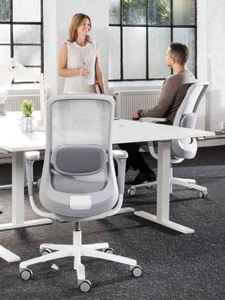
Onsite assessments at your workplace as individual, half-day or full-day sessions, nationwide.
View assessmentChoose Your Shopping Experience
Select whether you're shopping for business or home
to see prices with or without VAT.
100,000+ Workspaces Assessed, from SMEs to Global Enterprises







100,000+ Workspaces Assessed, from SMEs to Global Enterprises
A structured, evidence-based review of the workplace adjustments an employee needs to work safely and comfortably. It's the starting point for most return to work plans, reasonable accommodation decisions and Work and Access funding applications in Ireland.

Led by occupational therapists with ergonomic expertise, a workplace needs assessment looks at the employee's job, workstation and work habits to identify what needs to change. It supports people with physical or cognitive limitations, and helps employees with injuries, disabilities or chronic conditions stay in work or return to it with confidence.
The result: a clinically informed report with targeted recommendations, ready to support a return to work plan, a reasonable accommodation decision or a funding application.
Two assessments, two different questions
Carried out by an occupational health doctor or nurse. Gives a fitness for work opinion, with any restrictions, reduced hours or phased return advised.
Carried out by an occupational therapist or ergonomist, on-site or virtually. Gives a report with workplace adjustments, equipment and return to work planning.
After time off for illness, injury or surgery, an employee's job and workstation often need to change before they can go back safely. A return to work assessment looks at what the person can now do, the demands of their role and how their workstation is set up, then recommends the adjustments, equipment and pacing that will help them return and stay in work.
Depending on the case, it can include:
Already have an occupational health report? Share it with us. We use its restrictions and recommendations as the starting point, so the workplace side matches the medical advice.
You're managing a return to work case after sick leave, supporting a team member with chronic pain, or making reasonable accommodation for an employee with a disability.
You're an occupational health team, GP, consultant or physio who wants your patient's workplace to support their recovery, minimise symptoms and meet legal requirements.
You're returning to work after illness or injury, or dealing with work-related pain, and need a clear plan to stay in work safely and productively.
The Department of Social Protection's Work and Access programme helps employers remove workplace barriers for employees with a disability or long-term health condition, including when they return to work. It replaced the Reasonable Accommodation Fund.
A workplace needs assessment is often the key that unlocks further support, so it's the right place to start.
Eligibility rules apply. The programme covers private sector, community and voluntary, not-for-profit and commercial semi-state employers, and the employee's condition must be expected to last more than 12 months. Final approval is needed before you buy anything. Check the full details on Citizens Information before you apply.
A structured, evidence-based review of the workplace adjustments an employee needs to work safely and comfortably. It's the starting point for most return to work plans, reasonable accommodation decisions and Work and Access funding applications in Ireland.
Led by occupational therapists with ergonomic expertise, a workplace needs assessment looks at the employee's job, workstation and work habits to identify what needs to change. It supports people with physical or cognitive limitations, and helps employees with injuries, disabilities or chronic conditions stay in work or return to it with confidence.
The result: a clinically informed report with targeted recommendations, ready to support a return to work plan, a reasonable accommodation decision or a funding application.
Two assessments, two different questions
Carried out by an occupational health doctor or nurse. Gives a fitness for work opinion, with any restrictions, reduced hours or phased return advised.
Carried out by an occupational therapist or ergonomist, on-site or virtually. Gives a report with workplace adjustments, equipment and return to work planning.
After time off for illness, injury or surgery, an employee's job and workstation often need to change before they can go back safely. A return to work assessment looks at what the person can now do, the demands of their role and how their workstation is set up, then recommends the adjustments, equipment and pacing that will help them return and stay in work.
Depending on the case, it can include:
Already have an occupational health report? Share it with us. We use its restrictions and recommendations as the starting point, so the workplace side matches the medical advice.
You're managing a return to work case after sick leave, supporting a team member with chronic pain, or making reasonable accommodation for an employee with a disability.
You're an occupational health team, GP, consultant or physio who wants your patient's workplace to support their recovery, minimise symptoms and meet legal requirements.
You're returning to work after illness or injury, or dealing with work-related pain, and need a clear plan to stay in work safely and productively.
The Department of Social Protection's Work and Access programme helps employers remove workplace barriers for employees with a disability or long-term health condition, including when they return to work. It replaced the Reasonable Accommodation Fund.
A workplace needs assessment is often the key that unlocks further support, so it's the right place to start.
Eligibility rules apply. The programme covers private sector, community and voluntary, not-for-profit and commercial semi-state employers, and the employee's condition must be expected to last more than 12 months. Final approval is needed before you buy anything. Check the full details on Citizens Information before you apply.
We don't stop at the assessment. You get a report that works for HR, healthcare providers and funding applications, plus a free chance to try the recommended equipment before you commit.

Every assessment delivers a clinically informed, goal-driven report that supports job retention and return-to-work planning. It helps employees, employers and healthcare providers communicate clearly, with recommendations tailored to the worker's functional needs.
Ideal for: Work and Access grant applications, return-to-work planning after injury or illness, reasonable accommodation, and OT-led support for pain or workstation issues.
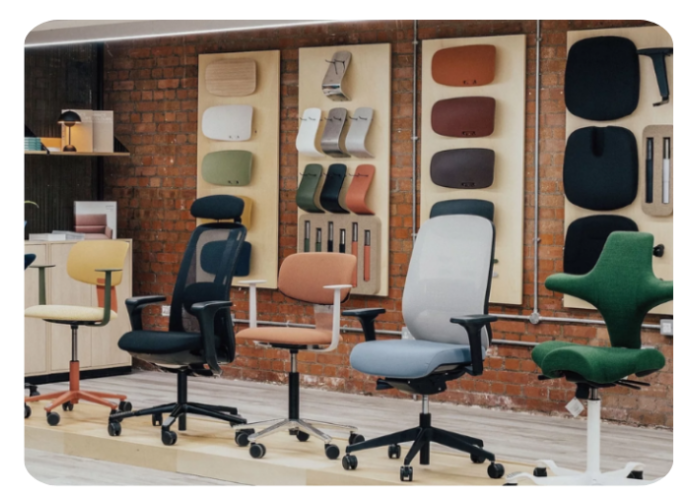
After your assessment, you're invited to a free one-to-one session at our Fitting Studio to try the recommended equipment before you buy. Our team checks the fit and comfort of each item with you, makes adjustments on the spot and answers your questions, so you can choose with confidence.
Why it matters: grant funding has to be approved before equipment is bought, so trying it first means the application covers the right items.
We don't stop at the assessment. You get a report that works for HR, healthcare providers and funding applications, plus a free chance to try the recommended equipment before you commit.
Every assessment delivers a clinically informed, goal-driven report that supports job retention and return-to-work planning. It helps employees, employers and healthcare providers communicate clearly, with recommendations tailored to the worker's functional needs.
Ideal for: Work and Access grant applications, return-to-work planning after injury or illness, reasonable accommodation, and OT-led support for pain or workstation issues.
After your assessment, you're invited to a free one-to-one session at our Fitting Studio to try the recommended equipment before you buy. Our team checks the fit and comfort of each item with you, makes adjustments on the spot and answers your questions, so you can choose with confidence.
Why it matters: grant funding has to be approved before equipment is bought, so trying it first means the application covers the right items.
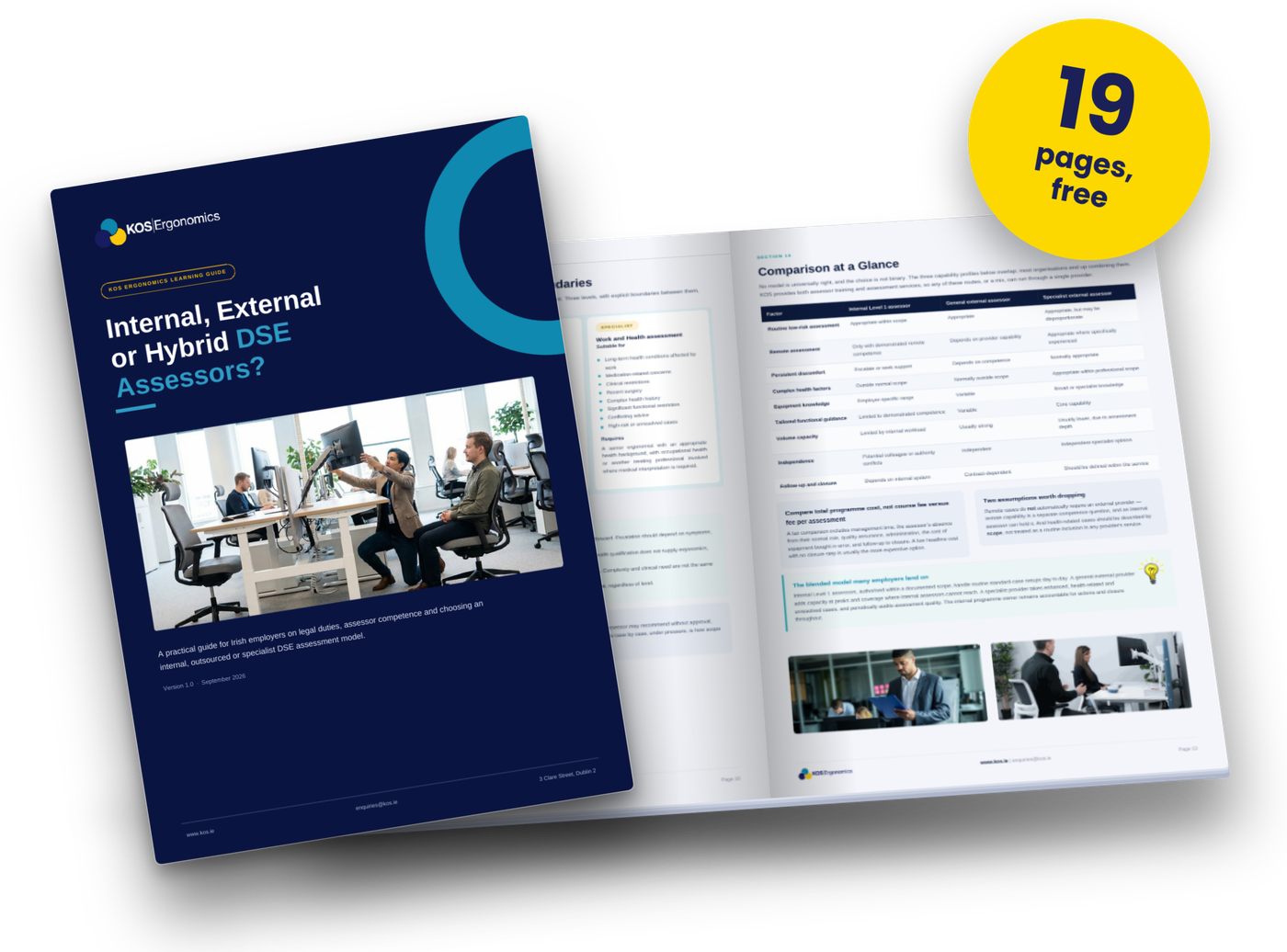
Every DSE user's workstation must be assessed by a competent person, and employees returning to work or living with a disability often need specialist, clinical support. Our free guide, Internal vs External DSE Assessor Models, helps you decide whether to train your own staff, use an external assessor, or combine both.
Every DSE user's workstation must be assessed by a competent person, and employees returning to work or living with a disability often need specialist, clinical support. Our free guide, Internal vs External DSE Assessor Models, helps you decide whether to train your own staff, use an external assessor, or combine both.
Not every employee's needs are the same. Find the right assessment for office staff, specific health needs, return to work and the public sector.
Onsite assessments at your workplace as individual, half-day or full-day sessions, nationwide.
View assessment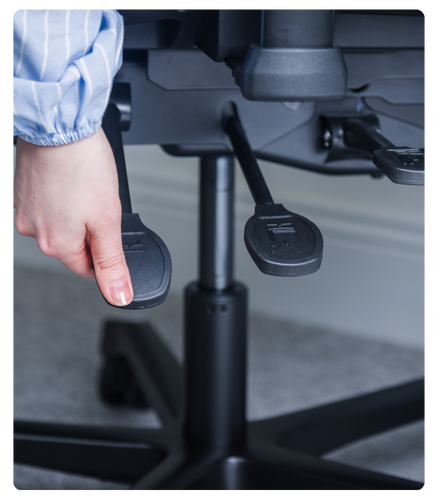
Detailed 45-minute assessments for employees with chronic pain, complex needs or medical referrals.
View assessment
Assessments that address pregnancy-specific risks for employees at home or in hybrid roles.
View assessment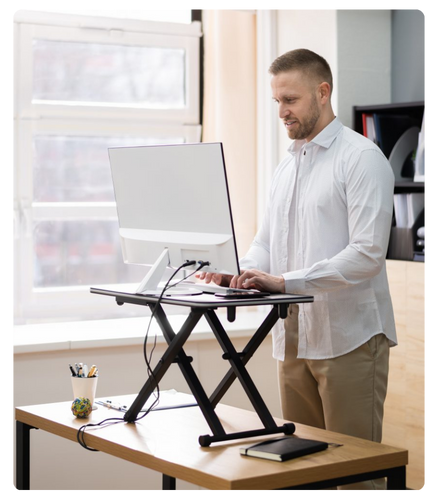
Quick 30-minute video assessments with flexible booking, ideal for onboarding and one-off checks.
View assessment
Occupational therapist-led assessments for returning to work after illness or injury, with grant guidance.
View assessment
Approved provider under the Office of Government Procurement framework for public sector organisations.
View assessmentNot every employee's needs are the same. Find the right assessment for office staff, specific health needs, return to work and the public sector.
Onsite assessments at your workplace as individual, half-day or full-day sessions, nationwide.
View assessment
Detailed 45-minute assessments for employees with chronic pain, complex needs or medical referrals.
View assessment
Assessments that address pregnancy-specific risks for employees at home or in hybrid roles.
View assessment
Quick 30-minute video assessments with flexible booking, ideal for onboarding and one-off checks.
View assessment
Occupational therapist-led assessments for returning to work after illness or injury, with grant guidance.
View assessment
Approved provider under the Office of Government Procurement framework for public sector organisations.
View assessmentRequest a free 1-1 consultation and tailored quote for ergonomic workplace needs assessments. Our team will provide expert guidance and scalable solutions
to ensure your organisation meets DSE compliance efficiently

To install this Web App in your iPhone/iPad press  and then Add to Home Screen.