Every year-end, organisations across Ireland face the same question: there is budget left to commit, and only a few weeks to decide what is worth spending it on. Looking back at 2026, a clear pattern emerges in what laboratories, Health & Safety teams and HR teams chose, and what they are already lining up for 2027.
This article brings together what we have seen across the workplaces we work with: where surplus 2026 budget went, the ergonomics trends shaping 2027 plans, and how to commit budget now for work that will be delivered next year.
Key takeaways
- Surplus 2026 budget went mainly on three things: better seating and workstations, faster ways to close assessment actions, and wellbeing equipment people use every day.
- 2027 plans are more structured: pre-booked DSE assessments, in-house assessor training, DSE management software, and phased seating and wellness programmes.
- The common thread is a move away from one-off, reactive fixes towards a documented programme that improves comfort and stands up to inspection.
- Services such as assessments, training and webinars can be committed and invoiced in 2026, then scheduled for 2027.
In this article
Why ergonomics is rising up the budget list
The case for investing in ergonomics is no longer just about comfort. Musculoskeletal problems remain one of the most common work-related health complaints in Europe, and the effects of long screen days are showing up in how people feel at the end of the week.
EU-OSHA's OSH Pulse survey (2025) asked workers which health problems had been caused or made worse by work in the previous 12 months:
| Health problem reported | Share of EU workers | What typically helps |
|---|---|---|
| Overall fatigue | 37% | More movement in the day, with sit-stand desks and active seating |
| Headache and eyestrain | 35% | A proper DSE assessment of screen position, lighting and set-up |
| Bone, joint or muscle problems | 28% | Appropriate ergonomic equipment and time to recover during the day |
| Stress, depression or anxiety | 28% | Practical wellbeing support that builds lasting habits |
Source: EU-OSHA, OSH Pulse survey 2025.
For Irish employers there is also a clear legal baseline. Chapter 5 of Part 2 of the Safety, Health and Welfare at Work (General Application) Regulations 2007 requires employers to assess display screen equipment workstations, including when someone starts, when equipment changes substantially, and for remote or home workstations, and to act on what those assessments find. Our DSE training course page covers what that means in practice for the people who carry out assessments.
Together, those two pressures, staff wellbeing and compliance, explain why year-end budget is increasingly going to ergonomics rather than one-off perks.
Where surplus 2026 budget went
Across sectors, three types of purchase stood out in 2026.
1. Better seating and workstations
Replacing worn chairs and upgrading set-ups was the most common year-end purchase. It was not limited to desk-based staff: laboratories in particular invested in seating and support for people who spend long periods standing at benches, fume cupboards and biosafety cabinets.
2. Closing out assessment actions faster
Many teams discovered that the slowest part of their DSE process was not the assessment itself but what happened afterwards. A recommendation for a footrest or monitor arm could sit for weeks waiting for a purchase order. The fix was an ergonomic equipment bank: a small stock of commonly recommended items held on site so actions close in days. Others used surplus budget to clear a backlog of complex cases through workplace needs and return-to-work assessments.
3. Wellbeing equipment people use every day
HR teams moved away from perks that sit in a cupboard and towards things that are visible and used daily. Massage chairs for breakout and quiet rooms were a standout, alongside sit-stand desks and active seating zones where staff can move while they work.
Seven workplace ergonomics trends for 2027
The 2027 plans we are seeing build directly on those 2026 purchases. These are the seven trends that come up most often.
From reactive fixes to a documented DSE programme
The biggest shift is in how organisations manage DSE as a whole. Rather than responding to complaints one at a time, teams are building a programme with a clear cycle: training, self-assessment, review by a competent person, escalation of higher-risk cases, equipment, and sign-off. The aim is a record that shows not only that assessments happened, but that actions were closed.
What organisations are doing: mapping their current process, identifying where actions stall, and setting a reassessment schedule for 2027.
DSE management software replacing spreadsheets
As programmes grow, spreadsheets and email chains become hard to keep current, particularly across multiple sites or a hybrid workforce. DSE management software brings training, self-assessments, reviews, escalations and sign-off into one system, with records ready if the HSA asks to see them.
What organisations are doing: planning a 2027 roll-out, often starting with one site or department before extending it.
Building in-house competence through assessor training
More organisations want people on their own team who can carry out routine assessments and spot issues early. That means training new DSE assessors or upskilling existing ones from Level 1 to Level 2 for more detailed cases. For hybrid teams, adding remote assessment skills means the same people can cover home workstations too.
What organisations are doing: booking group courses for teams of 10 to 100+ and deciding which roles, such as managers or wellbeing champions, should hold the competence.
Hybrid-ready assessment programmes
Home and hybrid working are now a permanent part of many workplaces, and the obligation to assess applies wherever people work. Organisations are moving to a structured annual cycle that includes remote DSE assessments for home workers alongside in-person assessments in the office.
What organisations are doing: pre-booking a block of assessments for 2027 so the programme runs on schedule rather than when budget allows.
Clinically led support for complex cases
Not every case can be resolved with a standard DSE check. Staff returning after injury or illness, people with ongoing pain, and those needing reasonable accommodation benefit from a more detailed assessment by a physiotherapist or occupational therapist. Planning for these cases in advance avoids long delays when they arise.
What organisations are doing: setting aside a portion of the 2027 plan for detailed, workplace needs and return-to-work assessments.
Offices designed for movement
Fatigue is the most commonly reported work-related complaint, and long periods in one position are a big part of it. The response is more movement built into the working day: sit-stand desks as standard, and active office zones with desk bikes, under-desk treadmills and kneeling chairs that people can use for an hour of emails or a call. Our active seating guide explains how each option works.
What organisations are doing: starting with two or three bookable stations and adding more as demand grows, often alongside a planned seating upgrade.
Wellbeing that builds habits, not one-off events
HR teams are moving from single wellbeing days to a rhythm of practical sessions through the year. Physiotherapist-led webinars on desk stretches, workstation set-up and back care reach office, home and hybrid staff equally. A "new year, better habits" session in January is a popular starting point, while a massage chair in a shared space gives people a reason to take a proper break every day.
What organisations are doing: booking a Q1 webinar with 2026 budget and planning a series for the rest of 2027.
What different teams are prioritising
While the overall direction is shared, each team approaches ergonomics from a different angle. This is how the picture looks across the three groups we work with most.
| Team | Where surplus 2026 budget went | What is on 2027 plans |
|---|---|---|
| Laboratories | Specialist seating and support for staff standing at benches, cabinets and fume cupboards | Longer-term seating roll-outs and assessments that reflect lab tasks such as pipetting and microscopy |
| Health & Safety | An equipment bank, clearing complex-case backlogs, and assessor training | DSE management software, internal competent persons, and an annual assessment and reassessment programme |
| HR and wellbeing | Massage chairs, active office zones and Q1 wellness webinars | DSE training for managers and wellbeing champions, hybrid assessments, and a year-round webinar series |
Where those priorities overlap, on assessments, training and equipment, there is a strong case for planning jointly. A shared plan between H&S, HR and Facilities usually means fewer duplicated purchases and a programme that is easier to justify at budget time. If your team is deciding who should carry out assessments, our free guide, Internal vs External DSE Assessor Models, compares the cost, time and compliance trade-offs.
Spend in 2026, deliver in 2027
Not everything needs to be delivered before Christmas to make good use of this year's budget. Many organisations commit now and schedule delivery once 2027 is planned.
| Can be delivered before year-end | Committed now, delivered in 2027 |
|---|---|
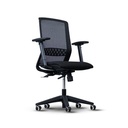
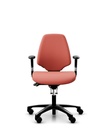
| Ergonomic chairs and seating upgrades | DSE assessments, in person and remote |
| Sit-stand desks | Detailed, workplace needs and return-to-work assessments |
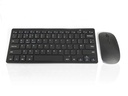
| Equipment bank items: footrests, monitor arms, keyboards, mice and laptop stands | DSE assessor training, Level 1, Level 2 and Remote |
| Massage chairs and active office equipment | Wellness webinars led by physiotherapists |
Orders confirmed by Friday 11 December 2026 can be invoiced in 2026, with dates for training, assessments and webinars chosen later.
Have budget left for 2026?
Download our Year-End Budget Planner, fill in how much budget you have left and what you need, and email it to enquiries@kos.ie. We'll come back with a quote for your requirements.
Get the budget planner Email enquiries@kos.ieFrequently asked questions
What are the main workplace ergonomics trends for 2027?
The main trends are a move to documented DSE programmes, DSE management software, in-house assessor training, hybrid-ready assessment cycles, clinically led support for complex cases, offices designed for movement, and year-round wellbeing sessions.
Can we use 2026 budget for services delivered in 2027?
Yes. Assessments, assessor training and wellness webinars can be confirmed and invoiced in 2026, with dates scheduled once your 2027 plans are in place. Orders need to be confirmed by Friday 11 December 2026.
What is an ergonomic equipment bank?
It is a small stock of commonly recommended items, such as footrests, monitor arms, keyboards, mice and laptop stands, kept on site so that actions from DSE assessments can be closed in days rather than waiting for a purchase order.
Do employers in Ireland need to assess home workstations?
The DSE requirements in the 2007 General Application Regulations apply to employees who use display screen equipment as a significant part of their work, including when they work from home. Remote DSE assessments are a practical way to cover home and hybrid workers.
How KOS can help
DSE assessments
In-person and remote assessments by physiotherapists and occupational therapists.
Explore assessmentsDSE assessor training
Level 1, Level 2 and Remote courses, online or as a private group course.
See training coursesErgonomic equipment
Seating, sit-stand desks, accessories and active office equipment for every workplace.
Browse active seatingEvery year-end, organisations across Ireland face the same question: there is budget left to commit, and only a few weeks to decide what is worth spending it on. Looking back at 2026, a clear pattern emerges in what laboratories, Health & Safety teams and HR teams chose, and what they are already lining up for 2027.
This article brings together what we have seen across the workplaces we work with: where surplus 2026 budget went, the ergonomics trends shaping 2027 plans, and how to commit budget now for work that will be delivered next year.
Key takeaways
- Surplus 2026 budget went mainly on three things: better seating and workstations, faster ways to close assessment actions, and wellbeing equipment people use every day.
- 2027 plans are more structured: pre-booked DSE assessments, in-house assessor training, DSE management software, and phased seating and wellness programmes.
- The common thread is a move away from one-off, reactive fixes towards a documented programme that improves comfort and stands up to inspection.
- Services such as assessments, training and webinars can be committed and invoiced in 2026, then scheduled for 2027.
In this article
Why ergonomics is rising up the budget list
The case for investing in ergonomics is no longer just about comfort. Musculoskeletal problems remain one of the most common work-related health complaints in Europe, and the effects of long screen days are showing up in how people feel at the end of the week.
EU-OSHA's OSH Pulse survey (2025) asked workers which health problems had been caused or made worse by work in the previous 12 months:
| Health problem reported | Share of EU workers | What typically helps |
|---|---|---|
| Overall fatigue | 37% | More movement in the day, with sit-stand desks and active seating |
| Headache and eyestrain | 35% | A proper DSE assessment of screen position, lighting and set-up |
| Bone, joint or muscle problems | 28% | Appropriate ergonomic equipment and time to recover during the day |
| Stress, depression or anxiety | 28% | Practical wellbeing support that builds lasting habits |
Source: EU-OSHA, OSH Pulse survey 2025.
For Irish employers there is also a clear legal baseline. Chapter 5 of Part 2 of the Safety, Health and Welfare at Work (General Application) Regulations 2007 requires employers to assess display screen equipment workstations, including when someone starts, when equipment changes substantially, and for remote or home workstations, and to act on what those assessments find. Our DSE training course page covers what that means in practice for the people who carry out assessments.
Together, those two pressures, staff wellbeing and compliance, explain why year-end budget is increasingly going to ergonomics rather than one-off perks.
Where surplus 2026 budget went
Across sectors, three types of purchase stood out in 2026.
1. Better seating and workstations
Replacing worn chairs and upgrading set-ups was the most common year-end purchase. It was not limited to desk-based staff: laboratories in particular invested in seating and support for people who spend long periods standing at benches, fume cupboards and biosafety cabinets.
2. Closing out assessment actions faster
Many teams discovered that the slowest part of their DSE process was not the assessment itself but what happened afterwards. A recommendation for a footrest or monitor arm could sit for weeks waiting for a purchase order. The fix was an ergonomic equipment bank: a small stock of commonly recommended items held on site so actions close in days. Others used surplus budget to clear a backlog of complex cases through workplace needs and return-to-work assessments.
3. Wellbeing equipment people use every day
HR teams moved away from perks that sit in a cupboard and towards things that are visible and used daily. Massage chairs for breakout and quiet rooms were a standout, alongside sit-stand desks and active seating zones where staff can move while they work.
Seven workplace ergonomics trends for 2027
The 2027 plans we are seeing build directly on those 2026 purchases. These are the seven trends that come up most often.
From reactive fixes to a documented DSE programme
The biggest shift is in how organisations manage DSE as a whole. Rather than responding to complaints one at a time, teams are building a programme with a clear cycle: training, self-assessment, review by a competent person, escalation of higher-risk cases, equipment, and sign-off. The aim is a record that shows not only that assessments happened, but that actions were closed.
What organisations are doing: mapping their current process, identifying where actions stall, and setting a reassessment schedule for 2027.
DSE management software replacing spreadsheets
As programmes grow, spreadsheets and email chains become hard to keep current, particularly across multiple sites or a hybrid workforce. DSE management software brings training, self-assessments, reviews, escalations and sign-off into one system, with records ready if the HSA asks to see them.
What organisations are doing: planning a 2027 roll-out, often starting with one site or department before extending it.
Building in-house competence through assessor training
More organisations want people on their own team who can carry out routine assessments and spot issues early. That means training new DSE assessors or upskilling existing ones from Level 1 to Level 2 for more detailed cases. For hybrid teams, adding remote assessment skills means the same people can cover home workstations too.
What organisations are doing: booking group courses for teams of 10 to 100+ and deciding which roles, such as managers or wellbeing champions, should hold the competence.
Hybrid-ready assessment programmes
Home and hybrid working are now a permanent part of many workplaces, and the obligation to assess applies wherever people work. Organisations are moving to a structured annual cycle that includes remote DSE assessments for home workers alongside in-person assessments in the office.
What organisations are doing: pre-booking a block of assessments for 2027 so the programme runs on schedule rather than when budget allows.
Clinically led support for complex cases
Not every case can be resolved with a standard DSE check. Staff returning after injury or illness, people with ongoing pain, and those needing reasonable accommodation benefit from a more detailed assessment by a physiotherapist or occupational therapist. Planning for these cases in advance avoids long delays when they arise.
What organisations are doing: setting aside a portion of the 2027 plan for detailed, workplace needs and return-to-work assessments.
Offices designed for movement
Fatigue is the most commonly reported work-related complaint, and long periods in one position are a big part of it. The response is more movement built into the working day: sit-stand desks as standard, and active office zones with desk bikes, under-desk treadmills and kneeling chairs that people can use for an hour of emails or a call. Our active seating guide explains how each option works.
What organisations are doing: starting with two or three bookable stations and adding more as demand grows, often alongside a planned seating upgrade.
Wellbeing that builds habits, not one-off events
HR teams are moving from single wellbeing days to a rhythm of practical sessions through the year. Physiotherapist-led webinars on desk stretches, workstation set-up and back care reach office, home and hybrid staff equally. A "new year, better habits" session in January is a popular starting point, while a massage chair in a shared space gives people a reason to take a proper break every day.
What organisations are doing: booking a Q1 webinar with 2026 budget and planning a series for the rest of 2027.
What different teams are prioritising
While the overall direction is shared, each team approaches ergonomics from a different angle. This is how the picture looks across the three groups we work with most.
| Team | Where surplus 2026 budget went | What is on 2027 plans |
|---|---|---|
| Laboratories | Specialist seating and support for staff standing at benches, cabinets and fume cupboards | Longer-term seating roll-outs and assessments that reflect lab tasks such as pipetting and microscopy |
| Health & Safety | An equipment bank, clearing complex-case backlogs, and assessor training | DSE management software, internal competent persons, and an annual assessment and reassessment programme |
| HR and wellbeing | Massage chairs, active office zones and Q1 wellness webinars | DSE training for managers and wellbeing champions, hybrid assessments, and a year-round webinar series |
Where those priorities overlap, on assessments, training and equipment, there is a strong case for planning jointly. A shared plan between H&S, HR and Facilities usually means fewer duplicated purchases and a programme that is easier to justify at budget time. If your team is deciding who should carry out assessments, our free guide, Internal vs External DSE Assessor Models, compares the cost, time and compliance trade-offs.
Spend in 2026, deliver in 2027
Not everything needs to be delivered before Christmas to make good use of this year's budget. Many organisations commit now and schedule delivery once 2027 is planned.
| Can be delivered before year-end | Committed now, delivered in 2027 |
|---|---|
| Ergonomic chairs and seating upgrades | DSE assessments, in person and remote |
| Sit-stand desks | Detailed, workplace needs and return-to-work assessments |
| Equipment bank items: footrests, monitor arms, keyboards, mice and laptop stands | DSE assessor training, Level 1, Level 2 and Remote |
| Massage chairs and active office equipment | Wellness webinars led by physiotherapists |
Orders confirmed by Friday 11 December 2026 can be invoiced in 2026, with dates for training, assessments and webinars chosen later.
Have budget left for 2026?
Download our Year-End Budget Planner, fill in how much budget you have left and what you need, and email it to enquiries@kos.ie. We'll come back with a quote for your requirements.
Get the budget planner Email enquiries@kos.ieFrequently asked questions
What are the main workplace ergonomics trends for 2027?
The main trends are a move to documented DSE programmes, DSE management software, in-house assessor training, hybrid-ready assessment cycles, clinically led support for complex cases, offices designed for movement, and year-round wellbeing sessions.
Can we use 2026 budget for services delivered in 2027?
Yes. Assessments, assessor training and wellness webinars can be confirmed and invoiced in 2026, with dates scheduled once your 2027 plans are in place. Orders need to be confirmed by Friday 11 December 2026.
What is an ergonomic equipment bank?
It is a small stock of commonly recommended items, such as footrests, monitor arms, keyboards, mice and laptop stands, kept on site so that actions from DSE assessments can be closed in days rather than waiting for a purchase order.
Do employers in Ireland need to assess home workstations?
The DSE requirements in the 2007 General Application Regulations apply to employees who use display screen equipment as a significant part of their work, including when they work from home. Remote DSE assessments are a practical way to cover home and hybrid workers.
How KOS can help
DSE assessments
In-person and remote assessments by physiotherapists and occupational therapists.
Explore assessmentsDSE assessor training
Level 1, Level 2 and Remote courses, online or as a private group course.
See training coursesErgonomic equipment
Seating, sit-stand desks, accessories and active office equipment for every workplace.
Browse active seating

 and then Add to Home Screen.