In 2026, the definition of a "workplace" has permanently shifted. The Health and Safety Authority (HSA) has responded by intensifying its focus on Display Screen Equipment (DSE) and Visual Display Unit (VDU) standards. For HR Directors and Health & Safety Managers, the challenge is no longer just "ticking a box"—it is about managing risk across a distributed workforce.
The Legal Framework: Regulation 72 Explained
Under Chapter 5 of the Safety, Health and Welfare at Work (General Application) Regulations 2007, employers hold a non-delegable duty to evaluate the safety and health conditions of their employees' workstations. In 2026, the HSA has clarified that this duty specifically includes:
- Dual-Location Risk Assessments: If an employee works from home (habitual use), that home office is legally a "place of work." A separate, documented assessment is required for both the office and the home.
- Competency Requirements: Assessments must be performed by a "Competent Person"—someone with the necessary training, experience, and ergonomic knowledge. Self-assessments by untrained staff are increasingly being rejected in liability cases.
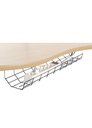
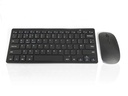
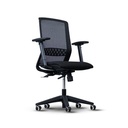
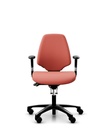
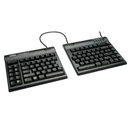
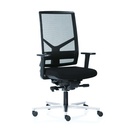
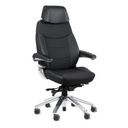
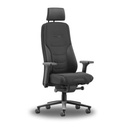
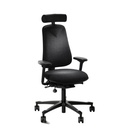
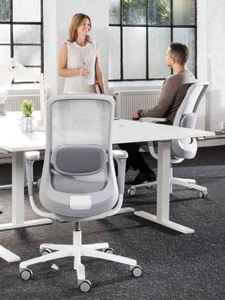
- Equipment Provision: If a DSE assessment identifies a need (e.g., a riser, ergonomic chair, or separate keyboard for a laptop user), the employer must provide it at no cost to the employee.
The Cost of Inaction
Recent data shows that Musculoskeletal Disorders (MSDs) account for nearly 50% of all work-related illnesses in Ireland. With the average MSD claim resulting in 15.9 days of absence, the financial impact of poor ergonomics is now a boardroom-level concern.
Why "Checklists" Fail Under Audit
Many Irish firms rely on a static PDF checklist. However, in a 2026 HSA audit, a checklist without remedial action tracking is considered incomplete. A professional DSE assessment must evaluate more than just the chair; it must analyze:
- Visual Factors: Glare, reflection, and screen refresh rates.
- Environmental Variables: Lighting, heat, and noise levels.
- Psychosocial Risks: Workload and break patterns.
- Anthropometrics: Matching equipment to the user's physical dimensions.
A 3-Step Strategy for 2026 Compliance
- Audit the Policy: Ensure your Safety Statement explicitly mentions hybrid DSE arrangements.
- Standardize the Assessment: Use a competent third party to provide a consistent, clinically-backed reporting format for all staff.
- Review and Re-assess: The HSA recommends reviews every 2 years, or immediately if an employee reports discomfort or a workstation changes significantly.

 and then Add to Home Screen.