Last reviewed: September 2026 by the KOS Ergonomics team
A phased return to work helps an employee come back after illness, injury or surgery on reduced hours, lighter duties or both, building up to their full role over a set period. This guide covers everything employers and employees in Ireland need to know: your rights, what happens to pay, three sample plans for different types of job, a plan template you can copy, and how to get the workstation right so the return actually lasts.
A phased return to work is a temporary, agreed plan that gradually increases an employee's hours and duties after sickness absence. In Ireland there is no general legal right to a phased return and no automatic right to full pay during one. However, where an employee's condition counts as a disability, employers must consider reasonable accommodation under the Employment Equality Acts, and a phased return is one of the most common ways to do that.
What Is a Phased Return to Work?
A phased return to work, also called a graded return, is a temporary arrangement that lets an employee rebuild their capacity for work step by step, instead of going straight from sick leave back to full hours and full duties. It's agreed between the employee and employer, ideally based on medical or occupational health advice, and it has a clear end point.
A phased return doesn't always mean fewer hours. Depending on the person and the job, it can adjust:
| What can change | Example |
|---|---|
| Hours | Mornings only for the first week, building up to full days |
| Days | Three days a week instead of five, with rest days in between |
| Duties | No lifting, driving or night shifts until a set review date |
| Workload | Fewer cases, clients or projects, with no tight deadlines at first |
| Breaks | Planned movement or rest breaks every 30 to 60 minutes |
| Start and finish times | Later starts to avoid rush-hour commuting or morning stiffness |
| Location | Some home working where the role allows it |
| Workstation and equipment | A sit-stand desk, supportive chair or adapted keyboard and mouse from day one |
Who Can Benefit From a Phased Return?
A phased return is worth considering after:
- Surgery, such as spinal surgery, a joint replacement or abdominal surgery
- A musculoskeletal injury to the back, neck, shoulder, wrist or knee
- Cancer treatment or another serious illness
- A mental health related absence, such as stress, anxiety, depression or burnout
- Long COVID, post-viral fatigue or another condition that affects stamina
- A flare-up of a chronic condition, such as arthritis, fibromyalgia or chronic pain
- Any long absence, where going straight back to full duties would be a big step
The diagnosis matters less than how the person's health affects the specific demands of their job. Two people with the same condition can need very different plans, which is why the plan should always be individual.
Is a Phased Return to Work a Legal Right in Ireland?
No, not as a general rule. There is no Irish law that gives every employee an automatic right to a phased return. However, three areas of law often make one the right thing to do:
- Reasonable accommodation. Under the Employment Equality Acts 1998 to 2015, "disability" is defined very broadly and can include chronic illness and conditions that existed in the past. Where it applies, the employer must consider appropriate measures to support the employee, unless they would be a disproportionate burden. Adjusted hours and duties are among the most common measures. Our guide to Work and Access grants and reasonable accommodation explains this duty in more detail.
- Health and safety. The Safety, Health and Welfare at Work Act 2005 requires employers to keep risk assessments up to date. An employee returning with new limitations is a change in circumstances that should be assessed.
- Fair procedures. If an employer later considers dismissal on grounds of incapacity, it must follow a fair process, including up-to-date medical advice and genuine consideration of alternatives such as adjusted duties. Refusing a reasonable phased return without proper consideration can weaken the employer's position.
Many employers also set out phased returns in their sickness absence policy, contract or a collective agreement, so always check those first.
Medical information and consent. An employer can ask for a report from the employee's GP or consultant, but only with the employee's consent under the Medical Reports Act 1988. Medical information is special category data under GDPR, so it should be kept secure and shared only with those who need it.
How a Phased Return to Work Works, Step by Step
- Stay in touch during the absence. Agreed, supportive contact makes the return far easier to plan.
- Get medical advice. The employee's GP or consultant confirms fitness to return and may recommend reduced hours or restrictions.
- Involve occupational health where needed. For long or complex absences, an occupational health assessment advises on capacity, restrictions and a suitable pace.
- Hold a return to work meeting before the first day. Discuss what the employee can manage, what's difficult, and what support will help.
- Assess the job and workstation. A workplace needs or return to work assessment identifies the adjustments and equipment needed, so they're in place from day one.
- Agree the plan in writing. Record hours, duties, restrictions, pay, review dates and who to contact.
- Review regularly. Check in weekly, and adjust the pace if needed.
- Close the plan. Hold a final review, confirm the return to normal hours and duties, and agree any adjustments that will stay in place.
Sample Phased Return to Work Plans
There is no standard phased return timetable in Ireland. These three examples show how plans differ by job and condition. They're illustrative only, and the right pace should always follow medical and occupational health advice.
Example 1: Office role after back surgery (6 weeks)
| Week | Hours | Duties | Support in place |
|---|---|---|---|
| Week 1 | 3 half days (about 12 hours) | Catch-up, emails, light desk tasks | Workstation adjusted before day one; movement breaks every 30 minutes |
| Week 2 | 4 half days (about 16 hours) | Routine tasks, no tight deadlines | End-of-week check-in with line manager |
| Week 3 | 3 full days and 2 half days (about 28 hours) | Most normal duties; no lifting or long meetings | Sit-stand working; review of any discomfort |
| Week 4 | 4 full days (about 30 hours) | Normal duties, with some flexibility | Formal review with HR and, if needed, occupational health |
| Week 5 | 4.5 days (about 34 hours) | Full duties | Check-in with line manager |
| Week 6 | Full hours | Full duties | Final review; agree any ongoing adjustments |
Example 2: Return after a mental health or fatigue-related absence (8 weeks)
For stress, burnout, depression, long COVID or post-viral fatigue, the focus is usually on predictable hours, protected breaks and a gradual increase in workload, rather than physical restrictions.
| Weeks | Hours | Workload | Support in place |
|---|---|---|---|
| Weeks 1 to 2 | 3 days of 4 hours, with a rest day in between | Reintegration, catch-up, no client-facing or deadline-driven work | Fixed start and finish times; no out-of-hours emails |
| Weeks 3 to 4 | 4 days of 5 hours | Familiar tasks, with gradually increasing responsibility | Weekly check-in; Employee Assistance Programme details shared |
| Weeks 5 to 6 | 4 full days | Most normal duties; manager helps prioritise | Review with HR and, if involved, occupational health |
| Weeks 7 to 8 | Full hours | Full duties, with agreed workload limits | Final review; agree ongoing supports |
Example 3: Hands-on role after a shoulder or wrist injury (6 weeks)
In lab, dental, clinical, warehouse and production roles, the employee can often work near-normal hours early on, but specific tasks are restricted and reintroduced in stages.
| Weeks | Hours | Task restrictions | Support in place |
|---|---|---|---|
| Weeks 1 to 2 | 4 days of 6 hours | No lifting over shoulder height, no repetitive gripping or pipetting, no sustained awkward postures | Temporary reallocation of restricted tasks; task rotation every 30 minutes |
| Weeks 3 to 4 | 5 days of 6 to 7 hours | Light repetitive tasks reintroduced in short blocks | Adjusted bench or chair height; ergonomic tools and supports trialled |
| Week 5 | Full hours | Most tasks, with continued limits on heavy or overhead work | Review with line manager and occupational health |
| Week 6 | Full hours | Full duties | Final review; agree any lasting changes to how tasks are done |
All three examples are illustrative. A phased return may be shorter, longer or structured differently depending on the person, their condition and their role.
Phased Return to Work Plan Template
Copy these headings into your own document to create a clear, written phased return to work plan. Both the employee and the employer should keep a copy.
| Section | What to include | Details |
|---|---|---|
| Employee and role | Name, job title, department, line manager | To complete |
| Dates | Return date, expected end date of the phased return | To complete |
| Medical advice | Summary of GP, consultant or occupational health recommendations (no diagnosis needed) | To complete |
| Weekly schedule | Hours, days and start and finish times for each week or stage | To complete |
| Duties included | Tasks the employee will do at each stage | To complete |
| Restrictions | Tasks to avoid, and until when | To complete |
| Workplace adjustments | Workstation changes, equipment, breaks, home working | To complete |
| Pay arrangement | How pay will be calculated during the phased return | To complete |
| Check-ins and reviews | Dates of weekly check-ins and formal reviews, and who attends | To complete |
| If things aren't working | Who to contact, and how the plan can be paused or extended | To complete |
| Agreement | Signatures and date from the employee and employer | To complete |
Pay, Sick Pay and Social Welfare During a Phased Return
Do you get full pay on a phased return to work?
Not automatically. Unless the contract, sick pay scheme, workplace policy or a collective agreement says otherwise, employees are usually paid for the hours they actually work. Some employers pay full salary for a short phased return, and some top up pay. Always agree the pay arrangement in writing before the phased return starts.
Statutory Sick Pay
Statutory Sick Pay covers 5 days a year in 2026, paid at 70% of normal daily earnings up to €110 a day, for employees with at least 13 weeks' continuous service and a medical certificate. It's designed for short absences and is usually used up long before a phased return begins. (Workplace Relations Commission: Sick leave)
Annual leave during and after sick leave
Employees continue to build up statutory annual leave while on certified sick leave. Leave not taken because of illness must be used within 15 months of the end of the leave year it relates to. Some employers agree that an employee can use accrued annual leave to top up pay or reduce working days during a phased return.
Illness Benefit and Partial Capacity Benefit
You can't work while getting Illness Benefit, so a phased return usually means closing the claim, with your doctor marking your last certificate as "final". However, if you have been getting Illness Benefit for at least 6 months, or you get Invalidity Pension, you may qualify for Partial Capacity Benefit. This lets you return to work and keep a social welfare payment if your capacity for work is reduced.
- A Department of Social Protection medical assessor rates the restriction on your capacity for work as mild, moderate, severe or profound. Moderate, severe or profound can qualify; mild does not.
- There is no limit on the hours you work or what you earn.
- The Benefit of Work Estimator on MyWelfare.ie shows how returning to work would affect your income.
Get approval before you start work. You must have written approval from the Department of Social Protection before returning to work on Partial Capacity Benefit. Starting before it arrives can affect your entitlement.
Getting the Workstation Right: The Step Most Plans Miss
Most phased return plans focus on hours. But a phased return reduces how long someone works, not how they work. If the workstation contributed to the problem, or aggravates it, fewer hours at the same poorly set-up desk won't fix it. Employees returning after injury or surgery often have much lower tolerance for sitting, reaching or holding one posture, so small issues become big ones quickly.
Before the first day back, check:
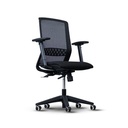
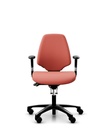
- Chair: fully adjustable, with good lumbar support, set up for the individual
- Desk height: a sit-stand desk often helps, so posture can change through the day
- Screen: top of the screen at or just below eye level, about an arm's length away
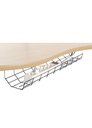
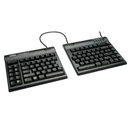
- Keyboard and mouse: close to the body to avoid reaching; a vertical mouse or compact keyboard can help with wrist, elbow or shoulder problems
- Laptop users: a laptop stand with a separate keyboard and mouse
- Home and hybrid set-ups: the same standards apply at home as in the office
- Hands-on roles: bench and stool heights, tool grip, reach distances and task rotation
An employee's DSE assessment should be reviewed when they return with new limitations. For more complex cases, such as a disability, long-term condition or a return after major surgery, a specialist workplace needs assessment looks at the whole job as well as the workstation. It can also support a Work and Access grant application for equipment where the condition is expected to last more than 12 months.
What If the Phased Return Isn't Working?
Setbacks are common and don't mean the return has failed. Warning signs include:
- Pain or fatigue getting worse from week to week rather than better
- Needing sick days during the phased return
- Difficulty concentrating or finishing tasks at the current level
- Specific tasks, or the commute, consistently triggering symptoms
- The employee pushing through to keep up with the plan
If this happens, pause and review rather than pushing on. Options include holding the current stage for longer, extending the phased return, adjusting duties further, re-assessing the workstation, or referring back to occupational health or the GP. A plan that bends to fit the person almost always works better than one that sticks rigidly to the original dates.
Guidance for Employers and Managers
Return to work meeting agenda
- Welcome the employee back and ask how they're feeling about returning
- Review the medical or occupational health advice (the employee doesn't need to share a diagnosis)
- Agree the weekly schedule, duties and any restrictions
- Confirm workstation adjustments and equipment are ready
- Explain the pay arrangement
- Update the employee on any changes since they've been away
- Agree check-in and review dates
- Agree what to do if something isn't working
Common mistakes to avoid
- Starting the return without medical or occupational health advice
- Leaving workstation adjustments until after the employee is back
- Agreeing the plan verbally but not in writing
- Letting workload creep back to normal before the plan says it should
- Treating similar cases differently without a clear reason
- Asking for more medical detail than you need, or sharing it too widely
- Dismissing a request without considering reasonable accommodation
Guidance for Employees
Questions to ask before your phased return starts
- Will I receive full pay, reduced pay, or pay for the hours I work?
- What hours and days will I work each week?
- Which duties will I do, and which are restricted?
- Will my workstation or equipment be adjusted before I start?
- Who will review the plan, and when?
- What happens if I can't move on to the next stage?
- Can the plan be extended if needed?
- If I'm on Illness Benefit or Invalidity Pension, should I apply for Partial Capacity Benefit first?
Be honest about what you can manage. It's far easier to adjust a plan early than to recover from a relapse.
Conclusion
A phased return to work gives employees time to rebuild their capacity, and gives employers the best chance of keeping a valued team member in work. The difference between a return that lasts and one that breaks down usually comes down to three things: a clear written plan based on medical advice, a workstation set up for the employee's current needs from day one, and regular reviews that let the plan adapt.
Plan a Safe, Supported Phased Return
Talk to our team about return to work assessments, graded return to work plans and the right equipment for day one. We'll call you back.
-

Workplace Needs & Return to Work Assessments
OT-led assessments with grant-ready reports and a free equipment trial.
Request a Callback -
Detailed Ergonomic Assessments
For medical, chronic pain and pregnancy needs. Personalised evaluations to support health and comfort.
Book Now -

Visit Our Showroom
Try ergonomic chairs, desks and accessories with expert guidance in Dublin or Tipperary.
Book a Visit
Frequently Asked Questions about Phased Returns to Work in Ireland
What is a phased return to work?
A phased return to work is a temporary, agreed plan that lets an employee gradually build back up to their normal hours and duties after illness, injury or surgery. It can involve reduced hours, fewer days, lighter duties, extra breaks, task restrictions or workstation adjustments.
How long does a phased return to work last in Ireland?
There's no fixed legal duration. Most phased returns last between two and eight weeks, but the right length depends on the person's condition, how long they've been off, their role and medical advice. The plan can be extended if needed.
Do you get full pay on a phased return to work in Ireland?
Not automatically. Employees are usually paid for the hours they actually work, unless their contract, sick pay scheme, workplace policy or a collective agreement says otherwise. Some employers pay full salary or top up pay, so agree this in writing before you start.
Is a phased return to work a legal right in Ireland?
Not as a general rule. However, if the employee's condition counts as a disability under the Employment Equality Acts, the employer must consider reasonable accommodation, and a phased return is one of the most common forms. Many employers also include phased returns in their absence policies.
Can an employer refuse a phased return to work?
In some circumstances, yes. But where disability is involved, the employer must properly consider reasonable accommodation rather than simply refusing, unless the measure would be a disproportionate burden. If you believe your employer hasn't met its obligations, you can seek advice or make a complaint to the Workplace Relations Commission.
Can I work part-time while getting Illness Benefit?
No. You can't work while getting Illness Benefit. If you've been getting it for at least 6 months, or you get Invalidity Pension, you may be able to return to work on Partial Capacity Benefit, but you must have written approval from the Department of Social Protection before you start.
Can I use annual leave during a phased return?
Often, yes, if your employer agrees. Some employees use accrued annual leave to top up pay or reduce working days during a phased return. Statutory annual leave continues to build up during certified sick leave and must be used within 15 months of the end of the relevant leave year.
Does my employer need my consent to contact my doctor?
Yes. Under the Medical Reports Act 1988, an employer can only get a medical report from your GP or consultant with your consent. Your employer can also refer you to occupational health, and you don't have to share your diagnosis with your line manager.
Is there a phased return to work template I can use?
Yes. A good phased return to work plan covers the employee and role, dates, a summary of medical advice, a weekly schedule, duties and restrictions, workplace adjustments, the pay arrangement, review dates and signatures. You can copy the template in this guide.
Does an employee need a new DSE assessment after a long absence?
If the employee is returning with new limitations or a changed condition, their DSE assessment should be reviewed, because employers must keep risk assessments up to date when circumstances change. For complex cases, a specialist workplace needs assessment looks at the whole job as well as the workstation.
This guide provides general information for employers and employees in Ireland. It isn't a substitute for individual medical, legal, HR or social welfare advice. Contracts, workplace policies and individual circumstances can change your position.
Last reviewed: September 2026 by the KOS Ergonomics team
A phased return to work helps an employee come back after illness, injury or surgery on reduced hours, lighter duties or both, building up to their full role over a set period. This guide covers everything employers and employees in Ireland need to know: your rights, what happens to pay, three sample plans for different types of job, a plan template you can copy, and how to get the workstation right so the return actually lasts.
A phased return to work is a temporary, agreed plan that gradually increases an employee's hours and duties after sickness absence. In Ireland there is no general legal right to a phased return and no automatic right to full pay during one. However, where an employee's condition counts as a disability, employers must consider reasonable accommodation under the Employment Equality Acts, and a phased return is one of the most common ways to do that.
What Is a Phased Return to Work?
A phased return to work, also called a graded return, is a temporary arrangement that lets an employee rebuild their capacity for work step by step, instead of going straight from sick leave back to full hours and full duties. It's agreed between the employee and employer, ideally based on medical or occupational health advice, and it has a clear end point.
A phased return doesn't always mean fewer hours. Depending on the person and the job, it can adjust:
| What can change | Example |
|---|---|
| Hours | Mornings only for the first week, building up to full days |
| Days | Three days a week instead of five, with rest days in between |
| Duties | No lifting, driving or night shifts until a set review date |
| Workload | Fewer cases, clients or projects, with no tight deadlines at first |
| Breaks | Planned movement or rest breaks every 30 to 60 minutes |
| Start and finish times | Later starts to avoid rush-hour commuting or morning stiffness |
| Location | Some home working where the role allows it |
| Workstation and equipment | A sit-stand desk, supportive chair or adapted keyboard and mouse from day one |
Who Can Benefit From a Phased Return?
A phased return is worth considering after:
- Surgery, such as spinal surgery, a joint replacement or abdominal surgery
- A musculoskeletal injury to the back, neck, shoulder, wrist or knee
- Cancer treatment or another serious illness
- A mental health related absence, such as stress, anxiety, depression or burnout
- Long COVID, post-viral fatigue or another condition that affects stamina
- A flare-up of a chronic condition, such as arthritis, fibromyalgia or chronic pain
- Any long absence, where going straight back to full duties would be a big step
The diagnosis matters less than how the person's health affects the specific demands of their job. Two people with the same condition can need very different plans, which is why the plan should always be individual.
Is a Phased Return to Work a Legal Right in Ireland?
No, not as a general rule. There is no Irish law that gives every employee an automatic right to a phased return. However, three areas of law often make one the right thing to do:
- Reasonable accommodation. Under the Employment Equality Acts 1998 to 2015, "disability" is defined very broadly and can include chronic illness and conditions that existed in the past. Where it applies, the employer must consider appropriate measures to support the employee, unless they would be a disproportionate burden. Adjusted hours and duties are among the most common measures. Our guide to Work and Access grants and reasonable accommodation explains this duty in more detail.
- Health and safety. The Safety, Health and Welfare at Work Act 2005 requires employers to keep risk assessments up to date. An employee returning with new limitations is a change in circumstances that should be assessed.
- Fair procedures. If an employer later considers dismissal on grounds of incapacity, it must follow a fair process, including up-to-date medical advice and genuine consideration of alternatives such as adjusted duties. Refusing a reasonable phased return without proper consideration can weaken the employer's position.
Many employers also set out phased returns in their sickness absence policy, contract or a collective agreement, so always check those first.
Medical information and consent. An employer can ask for a report from the employee's GP or consultant, but only with the employee's consent under the Medical Reports Act 1988. Medical information is special category data under GDPR, so it should be kept secure and shared only with those who need it.
How a Phased Return to Work Works, Step by Step
- Stay in touch during the absence. Agreed, supportive contact makes the return far easier to plan.
- Get medical advice. The employee's GP or consultant confirms fitness to return and may recommend reduced hours or restrictions.
- Involve occupational health where needed. For long or complex absences, an occupational health assessment advises on capacity, restrictions and a suitable pace.
- Hold a return to work meeting before the first day. Discuss what the employee can manage, what's difficult, and what support will help.
- Assess the job and workstation. A workplace needs or return to work assessment identifies the adjustments and equipment needed, so they're in place from day one.
- Agree the plan in writing. Record hours, duties, restrictions, pay, review dates and who to contact.
- Review regularly. Check in weekly, and adjust the pace if needed.
- Close the plan. Hold a final review, confirm the return to normal hours and duties, and agree any adjustments that will stay in place.
Sample Phased Return to Work Plans
There is no standard phased return timetable in Ireland. These three examples show how plans differ by job and condition. They're illustrative only, and the right pace should always follow medical and occupational health advice.
Example 1: Office role after back surgery (6 weeks)
| Week | Hours | Duties | Support in place |
|---|---|---|---|
| Week 1 | 3 half days (about 12 hours) | Catch-up, emails, light desk tasks | Workstation adjusted before day one; movement breaks every 30 minutes |
| Week 2 | 4 half days (about 16 hours) | Routine tasks, no tight deadlines | End-of-week check-in with line manager |
| Week 3 | 3 full days and 2 half days (about 28 hours) | Most normal duties; no lifting or long meetings | Sit-stand working; review of any discomfort |
| Week 4 | 4 full days (about 30 hours) | Normal duties, with some flexibility | Formal review with HR and, if needed, occupational health |
| Week 5 | 4.5 days (about 34 hours) | Full duties | Check-in with line manager |
| Week 6 | Full hours | Full duties | Final review; agree any ongoing adjustments |
Example 2: Return after a mental health or fatigue-related absence (8 weeks)
For stress, burnout, depression, long COVID or post-viral fatigue, the focus is usually on predictable hours, protected breaks and a gradual increase in workload, rather than physical restrictions.
| Weeks | Hours | Workload | Support in place |
|---|---|---|---|
| Weeks 1 to 2 | 3 days of 4 hours, with a rest day in between | Reintegration, catch-up, no client-facing or deadline-driven work | Fixed start and finish times; no out-of-hours emails |
| Weeks 3 to 4 | 4 days of 5 hours | Familiar tasks, with gradually increasing responsibility | Weekly check-in; Employee Assistance Programme details shared |
| Weeks 5 to 6 | 4 full days | Most normal duties; manager helps prioritise | Review with HR and, if involved, occupational health |
| Weeks 7 to 8 | Full hours | Full duties, with agreed workload limits | Final review; agree ongoing supports |
Example 3: Hands-on role after a shoulder or wrist injury (6 weeks)
In lab, dental, clinical, warehouse and production roles, the employee can often work near-normal hours early on, but specific tasks are restricted and reintroduced in stages.
| Weeks | Hours | Task restrictions | Support in place |
|---|---|---|---|
| Weeks 1 to 2 | 4 days of 6 hours | No lifting over shoulder height, no repetitive gripping or pipetting, no sustained awkward postures | Temporary reallocation of restricted tasks; task rotation every 30 minutes |
| Weeks 3 to 4 | 5 days of 6 to 7 hours | Light repetitive tasks reintroduced in short blocks | Adjusted bench or chair height; ergonomic tools and supports trialled |
| Week 5 | Full hours | Most tasks, with continued limits on heavy or overhead work | Review with line manager and occupational health |
| Week 6 | Full hours | Full duties | Final review; agree any lasting changes to how tasks are done |
All three examples are illustrative. A phased return may be shorter, longer or structured differently depending on the person, their condition and their role.
Phased Return to Work Plan Template
Copy these headings into your own document to create a clear, written phased return to work plan. Both the employee and the employer should keep a copy.
| Section | What to include | Details |
|---|---|---|
| Employee and role | Name, job title, department, line manager | To complete |
| Dates | Return date, expected end date of the phased return | To complete |
| Medical advice | Summary of GP, consultant or occupational health recommendations (no diagnosis needed) | To complete |
| Weekly schedule | Hours, days and start and finish times for each week or stage | To complete |
| Duties included | Tasks the employee will do at each stage | To complete |
| Restrictions | Tasks to avoid, and until when | To complete |
| Workplace adjustments | Workstation changes, equipment, breaks, home working | To complete |
| Pay arrangement | How pay will be calculated during the phased return | To complete |
| Check-ins and reviews | Dates of weekly check-ins and formal reviews, and who attends | To complete |
| If things aren't working | Who to contact, and how the plan can be paused or extended | To complete |
| Agreement | Signatures and date from the employee and employer | To complete |
Pay, Sick Pay and Social Welfare During a Phased Return
Do you get full pay on a phased return to work?
Not automatically. Unless the contract, sick pay scheme, workplace policy or a collective agreement says otherwise, employees are usually paid for the hours they actually work. Some employers pay full salary for a short phased return, and some top up pay. Always agree the pay arrangement in writing before the phased return starts.
Statutory Sick Pay
Statutory Sick Pay covers 5 days a year in 2026, paid at 70% of normal daily earnings up to €110 a day, for employees with at least 13 weeks' continuous service and a medical certificate. It's designed for short absences and is usually used up long before a phased return begins. (Workplace Relations Commission: Sick leave)
Annual leave during and after sick leave
Employees continue to build up statutory annual leave while on certified sick leave. Leave not taken because of illness must be used within 15 months of the end of the leave year it relates to. Some employers agree that an employee can use accrued annual leave to top up pay or reduce working days during a phased return.
Illness Benefit and Partial Capacity Benefit
You can't work while getting Illness Benefit, so a phased return usually means closing the claim, with your doctor marking your last certificate as "final". However, if you have been getting Illness Benefit for at least 6 months, or you get Invalidity Pension, you may qualify for Partial Capacity Benefit. This lets you return to work and keep a social welfare payment if your capacity for work is reduced.
- A Department of Social Protection medical assessor rates the restriction on your capacity for work as mild, moderate, severe or profound. Moderate, severe or profound can qualify; mild does not.
- There is no limit on the hours you work or what you earn.
- The Benefit of Work Estimator on MyWelfare.ie shows how returning to work would affect your income.
Get approval before you start work. You must have written approval from the Department of Social Protection before returning to work on Partial Capacity Benefit. Starting before it arrives can affect your entitlement.
Getting the Workstation Right: The Step Most Plans Miss
Most phased return plans focus on hours. But a phased return reduces how long someone works, not how they work. If the workstation contributed to the problem, or aggravates it, fewer hours at the same poorly set-up desk won't fix it. Employees returning after injury or surgery often have much lower tolerance for sitting, reaching or holding one posture, so small issues become big ones quickly.
Before the first day back, check:
- Chair: fully adjustable, with good lumbar support, set up for the individual
- Desk height: a sit-stand desk often helps, so posture can change through the day
- Screen: top of the screen at or just below eye level, about an arm's length away
- Keyboard and mouse: close to the body to avoid reaching; a vertical mouse or compact keyboard can help with wrist, elbow or shoulder problems
- Laptop users: a laptop stand with a separate keyboard and mouse
- Home and hybrid set-ups: the same standards apply at home as in the office
- Hands-on roles: bench and stool heights, tool grip, reach distances and task rotation
An employee's DSE assessment should be reviewed when they return with new limitations. For more complex cases, such as a disability, long-term condition or a return after major surgery, a specialist workplace needs assessment looks at the whole job as well as the workstation. It can also support a Work and Access grant application for equipment where the condition is expected to last more than 12 months.
What If the Phased Return Isn't Working?
Setbacks are common and don't mean the return has failed. Warning signs include:
- Pain or fatigue getting worse from week to week rather than better
- Needing sick days during the phased return
- Difficulty concentrating or finishing tasks at the current level
- Specific tasks, or the commute, consistently triggering symptoms
- The employee pushing through to keep up with the plan
If this happens, pause and review rather than pushing on. Options include holding the current stage for longer, extending the phased return, adjusting duties further, re-assessing the workstation, or referring back to occupational health or the GP. A plan that bends to fit the person almost always works better than one that sticks rigidly to the original dates.
Guidance for Employers and Managers
Return to work meeting agenda
- Welcome the employee back and ask how they're feeling about returning
- Review the medical or occupational health advice (the employee doesn't need to share a diagnosis)
- Agree the weekly schedule, duties and any restrictions
- Confirm workstation adjustments and equipment are ready
- Explain the pay arrangement
- Update the employee on any changes since they've been away
- Agree check-in and review dates
- Agree what to do if something isn't working
Common mistakes to avoid
- Starting the return without medical or occupational health advice
- Leaving workstation adjustments until after the employee is back
- Agreeing the plan verbally but not in writing
- Letting workload creep back to normal before the plan says it should
- Treating similar cases differently without a clear reason
- Asking for more medical detail than you need, or sharing it too widely
- Dismissing a request without considering reasonable accommodation
Guidance for Employees
Questions to ask before your phased return starts
- Will I receive full pay, reduced pay, or pay for the hours I work?
- What hours and days will I work each week?
- Which duties will I do, and which are restricted?
- Will my workstation or equipment be adjusted before I start?
- Who will review the plan, and when?
- What happens if I can't move on to the next stage?
- Can the plan be extended if needed?
- If I'm on Illness Benefit or Invalidity Pension, should I apply for Partial Capacity Benefit first?
Be honest about what you can manage. It's far easier to adjust a plan early than to recover from a relapse.
Conclusion
A phased return to work gives employees time to rebuild their capacity, and gives employers the best chance of keeping a valued team member in work. The difference between a return that lasts and one that breaks down usually comes down to three things: a clear written plan based on medical advice, a workstation set up for the employee's current needs from day one, and regular reviews that let the plan adapt.
Plan a Safe, Supported Phased Return
Talk to our team about return to work assessments, graded return to work plans and the right equipment for day one. We'll call you back.
-
Workplace Needs & Return to Work Assessments
OT-led assessments with grant-ready reports and a free equipment trial.
Request a Callback -
Detailed Ergonomic Assessments
For medical, chronic pain and pregnancy needs. Personalised evaluations to support health and comfort.
Book Now -
Visit Our Showroom
Try ergonomic chairs, desks and accessories with expert guidance in Dublin or Tipperary.
Book a Visit
Frequently Asked Questions about Phased Returns to Work in Ireland
What is a phased return to work?
A phased return to work is a temporary, agreed plan that lets an employee gradually build back up to their normal hours and duties after illness, injury or surgery. It can involve reduced hours, fewer days, lighter duties, extra breaks, task restrictions or workstation adjustments.
How long does a phased return to work last in Ireland?
There's no fixed legal duration. Most phased returns last between two and eight weeks, but the right length depends on the person's condition, how long they've been off, their role and medical advice. The plan can be extended if needed.
Do you get full pay on a phased return to work in Ireland?
Not automatically. Employees are usually paid for the hours they actually work, unless their contract, sick pay scheme, workplace policy or a collective agreement says otherwise. Some employers pay full salary or top up pay, so agree this in writing before you start.
Is a phased return to work a legal right in Ireland?
Not as a general rule. However, if the employee's condition counts as a disability under the Employment Equality Acts, the employer must consider reasonable accommodation, and a phased return is one of the most common forms. Many employers also include phased returns in their absence policies.
Can an employer refuse a phased return to work?
In some circumstances, yes. But where disability is involved, the employer must properly consider reasonable accommodation rather than simply refusing, unless the measure would be a disproportionate burden. If you believe your employer hasn't met its obligations, you can seek advice or make a complaint to the Workplace Relations Commission.
Can I work part-time while getting Illness Benefit?
No. You can't work while getting Illness Benefit. If you've been getting it for at least 6 months, or you get Invalidity Pension, you may be able to return to work on Partial Capacity Benefit, but you must have written approval from the Department of Social Protection before you start.
Can I use annual leave during a phased return?
Often, yes, if your employer agrees. Some employees use accrued annual leave to top up pay or reduce working days during a phased return. Statutory annual leave continues to build up during certified sick leave and must be used within 15 months of the end of the relevant leave year.
Does my employer need my consent to contact my doctor?
Yes. Under the Medical Reports Act 1988, an employer can only get a medical report from your GP or consultant with your consent. Your employer can also refer you to occupational health, and you don't have to share your diagnosis with your line manager.
Is there a phased return to work template I can use?
Yes. A good phased return to work plan covers the employee and role, dates, a summary of medical advice, a weekly schedule, duties and restrictions, workplace adjustments, the pay arrangement, review dates and signatures. You can copy the template in this guide.
Does an employee need a new DSE assessment after a long absence?
If the employee is returning with new limitations or a changed condition, their DSE assessment should be reviewed, because employers must keep risk assessments up to date when circumstances change. For complex cases, a specialist workplace needs assessment looks at the whole job as well as the workstation.
This guide provides general information for employers and employees in Ireland. It isn't a substitute for individual medical, legal, HR or social welfare advice. Contracts, workplace policies and individual circumstances can change your position.

 and then Add to Home Screen.